
Product feature

Wireless temperature monitoring with remote visibility.

KRYOS connects wireless sensors, live device status, alerts, and review records across fridges, freezers, rooms, and transport assets.

  • Each wireless temperature sensor stays tied to the fridge, freezer, room, or transport unit it monitors.
  • Remote dashboards show current value, threshold context, and device state before teams open a detail view.
  • Alerts, mobile notifications, and audit-ready records stay connected to the same reading history.
Remote monitoring layer
Wireless sensing

Sensor readings stay attached to the asset that produced them, not a disconnected logger file.

Dashboard visibility

Teams scan current values, thresholds, and device state across sites without manual rounds.

Response and records

Out-of-range readings feed alerts, follow-up, reports, and audit logs from the same history.

KRYOS remote monitoring layer
Wireless sensorsLive dashboardAlerts and records
Readings Current value by device
Status Threshold context
History Alerts and review
Connected layers
Current value by device
Threshold context by asset
Alert and review continuity
One monitoring layer keeps wireless readings, remote visibility, and follow-up connected from device to review.

From wireless readings to remote response

A useful wireless temperature monitoring system does more than collect readings. It keeps each sensor, monitored asset, dashboard state, alert path, and review record connected.

Sensing to remote view

Sensor context stays tied to the asset

Wireless sensors and probes stay with the monitored fridge, freezer, room, or transport unit, so every reading has a clear source.

Live status is visible before a site visit

Teams can check current values and device state remotely instead of waiting for clipboard rounds or delayed logger retrieval.

One dashboard covers devices and sites

Selected devices, current readings, and threshold state stay scannable across sites, storage areas, and distributed refrigeration assets.

Alerts start from the same readings

When readings drift out of range, alerts, mobile notifications, and follow-up start from the same remote temperature monitoring stream.

Reports use the same wireless history

The same data path supports reporting, review, and audit-ready temperature records without rebuilding context later.

Day-to-day operating change

01. Review live status without waiting for on-site collection

Remote temperature monitoring keeps current readings, device status, and threshold context visible across locations without waiting for local checks or delayed logger retrieval.

02. Move from visibility into alerts and records on the same path

When something drifts, the alert, dashboard state, and follow-up all stay tied to the same wireless reading history.

Remote visibility with local context

Teams can see what is happening at the asset level even when the monitored fridge, freezer, room, or transport unit is somewhere else.

One monitoring system across sites

The same wireless architecture can support single-site storage, distributed operations, and multi-location review from one system.

Scan live status across monitored devices

A useful wireless temperature monitoring dashboard makes many assets readable at once: current values, threshold lines, and short trends are visible before teams open a specific device or incident.

  • Each card represents one monitored device or area with its current temperature and threshold context.
  • Out-of-range or missing-data states stay visible in the same grid, so teams can prioritize instead of searching device by device.
  • Opening a card leads into the same reading history behind alerts, reports, and follow-up.
Device cardsThreshold linesLive status
Remote multi-device dashboard
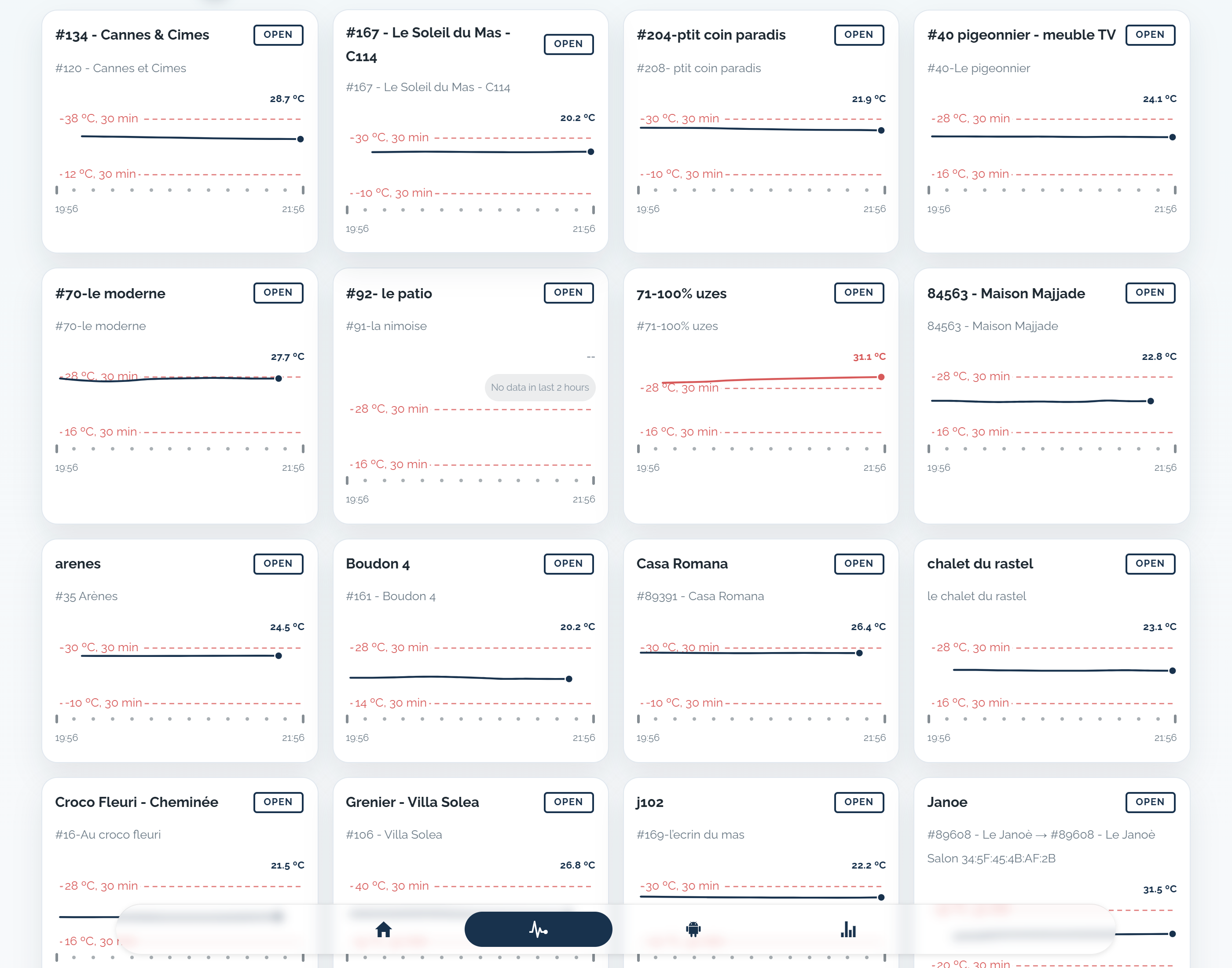
KRYOS remote monitoring dashboard showing many wireless temperature monitoring devices with current values, threshold bands, trends, and device status cards.

Align wireless monitoring to every asset you need visible

Map the fridges, rooms, transport units, thresholds, alert coverage, and review needs before rollout. If scope and pricing are already clear, you can move into the pricing path.

  • Wireless visibility by asset
  • Remote dashboards and alerts
  • One monitoring layer for review and response